 15% OFF
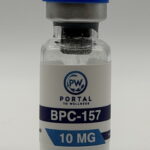
BPC-157 – 10mg/vial (Research Use Only)
BPC-157 is a synthetic pentadecapeptide investigated in preclinical models for its association with angiogenesis — the growth of new blood vessels at injury sites — through VEGF and nitric oxide pathway signaling, alongside upregulation of growth hormone receptor expression in fibroblast models. This 10mg single-compound vial isolates BPC-157 for research designs that need one variable rather than a combination preparation. Sold strictly for research use; not proven in humans; not FDA-approved. Independent lab result for batch PTW-BPC10-2608-001: 97.035% purity, 11.55 mg per vial (Janoshik Analytical, task #239840).
Availability: In stock (can be backordered)
3–4 vials — 5% off · 5–9 vials — 10% off · 10+ vials — 15% off
Applied automatically in the cart. Combines with a discount code up to 20% off in total, and stacks on top of the subscription discount.
Research Disclaimer: All products currently listed on this site are for research purposes only.
Independent lab result · batch PTW-BPC10-2608-001
BPC-157 10mg. Tested by Janoshik Analytical (task #239840), analysis conducted 12 Oct 2026. The sample was pulled from our own stock, submitted and paid for by Portal to Wellness, and the report names us as the client.
- Identity: BPC-157, confirmed by BPC-157 analysis
- Measured content: 11.55 mg per vial (labelled 10 mg)
- Purity: 97.035% (HPLC); the laboratory tested the sample twice
View and verify the full report on Janoshik’s site →
This result applies to batch PTW-BPC10-2608-001. The batch number is printed on the vial label. See all published results on our Lab Testing & Verification page.
BPC-157, TB-500 & GHK-Cu: What’s the Difference?
Six related products, in two formats. Here’s what’s actually in each one.
| Product | Contains | Format | Price |
|---|---|---|---|
| BPC-157 (injectable) | BPC-157 only | Injectable vial, 10mg | $56.00 |
| BPC-157 (capsules) | BPC-157 only | 100 capsules, 500mcg each | $155.00 |
| TB-500 | TB-500 only | Injectable vial, 10mg | $72.00 |
| BPC-157 + TB-500 | BPC-157 + TB-500 (5mg + 5mg) | Injectable vial, 10mg total | $69.00 |
| BPC + TB Capsules | BPC-157 + TB-500 (500mcg + 500mcg) | 100 capsules, 1,000mcg total each | $94.05 |
| GLOW-70 | GHK-Cu + TB-500 + BPC-157 (50mg + 10mg + 10mg) | Injectable vial | $112.00 |
Overview
This single-compound research vial contains 10mg of lyophilized BPC-157 (Body Protection Compound-157), a synthetic 15-amino-acid peptide derived from a partial sequence of a protein found in human gastric juice. BPC-157 carries one of the broader independent preclinical research bases among study peptides, spanning gastrointestinal biology, tendon and ligament models, and vascular research. Supplied for in vitro and preclinical laboratory research only.
What It Is
BPC-157 is a synthetic pentadecapeptide examined in preclinical models for its association with angiogenesis — the formation of new blood vessels — through VEGF and nitric oxide pathway signaling, and for upregulation of growth hormone receptor expression in fibroblast models. Unlike the BPC-157 + TB-500 combination vial, this preparation isolates BPC-157 as a single variable, which suits research designs that need to attribute observed findings to one compound. All findings described here derive from published animal and cell-culture literature and are not proven in humans.
Key Research Applications
- Tendon and ligament fibroblast research in preclinical repair models
- Gastrointestinal mucosal integrity and gut barrier research
- Angiogenesis and VEGF pathway signaling studies
- Nitric oxide system and vascular research
- Comparative study designs isolating BPC-157 against combination preparations
- In vitro and cell-culture assay work requiring a single-peptide input
Technical Specifications
| Compound | BPC-157 (Body Protection Compound-157) |
| Vial Content | 10mg (lyophilized) |
| Sequence | 15-amino-acid peptide (pentadecapeptide) |
| Molecular Weight | ~1,419 Da |
| CAS Number | 137525-51-0 |
| Form | Lyophilized powder (injectable grade) |
| Storage | −4 °F long-term |
FOR RESEARCH USE ONLY. Not intended for human or veterinary consumption, medical diagnosis, treatment, or prevention of any disease or condition. This product has not been evaluated by the FDA or any regulatory agency. Must be handled by qualified research personnel in a compliant laboratory setting. These statements have not been evaluated by the Food and Drug Administration.
Not sure which compounds fit your research? Browse the Research Hub →
Related research (educational)
- Overlapping Pathways in Circadian, Repair and Mitochondrial Biology
- BPC-157 and TB-500: Preclinical Literature Compared
- Recovery & Repair Research Compounds: A Complete Guide
Regulatory Status Note
On July 23–24, 2026, FDA’s Pharmacy Compounding Advisory Committee reviewed whether BPC-157, TB-500, KPV, MOTS-c, Semax, Epitalon, and emideltide (DSIP) should be added to the 503A Bulks List for pharmacy compounding. The committee voted to recommend six of the seven; emideltide (DSIP) was not recommended. FDA’s own briefing documents had recommended against all seven.
A committee vote is a recommendation only. It does not constitute FDA approval, does not establish safety or effectiveness, and does not change the status of this product, which is sold strictly for research use. FDA must complete formal rulemaking before any substance is added to the list. Source: FDA Advisory Committee Calendar. Last reviewed: August 17, 2026.
At a Glance: Four Separate Questions
- Research status: Sold for research/laboratory use only, not as a consumer drug.
- Compounding status: An FDA advisory committee recommended possible inclusion on the 503A Bulks List (non-binding). FDA has not issued a final decision.
- FDA approval status: Not FDA-approved for any use.
- Evidence status: Preclinical/animal research on tissue repair for both peptides; no completed human clinical trials have established safety or efficacy for either compound.
Last reviewed: August 9, 2026 — status unchanged (still an advisory committee recommendation; not final 503A inclusion or FDA approval). See our full explainer on these four categories.
Research Library
- BPC-157, TB-500 and MOTS-c: Inside the FDA’s July 2026 Compounding Review
- FDA PCAC July 2026: BPC-157, TB-500, and MOTS-c Under Official Review
- BPC-157, TB-500, and MOTS-c Under FDA Advisory Review: What Researchers Need to Know
- FDA’s July 2026 503A Review: What It Means for BPC-157, TB-500, and MOTS-c Researchers
- What the July 2026 FDA Compounding Advisory Committee Means for Peptide Researchers
Update — July 24, 2026: On July 23, the committee voted. BPC-157, KPV, and TB-500 each passed 8-6 with one abstention; MOTS-c passed 7-5 with two abstentions. The recommendation is non-binding — FDA is not required to follow it, must still issue a formal decision, and the process may require additional rulemaking before any compounding pharmacy could act on it. No peptide has been FDA-approved, and this update does not constitute or imply a therapeutic claim. Source: STAT News
All BPC-157 formats in one place. Compare injectable vials, oral capsules and blend preparations — presentation, pricing and current lab testing status — on the BPC-157 product index. Research use only.
- Processing: Orders ship within 1–2 business days
- Domestic delivery: 3–5 business days via USPS Priority / UPS Ground
- Free shipping on orders over $100
- Temperature handling: Cold-chain packaging available on request for lyophilized peptides
- Tracking: Emailed automatically at time of dispatch
- Store lyophilized (dry) peptides at −4 °F for long-term stability
- Protect from light and moisture at all times
- Do not freeze
- Where the Storage row in the product specification above differs, follow the specification
Frequently Asked Questions
BPC-157 (Body Protection Compound 157) is a synthetic 15-amino-acid peptide based on a sequence from a gastric protein. It has been studied in preclinical models of angiogenesis, VEGF and nitric oxide signalling, and growth hormone receptor expression — mostly in rodents, and mostly by one research group. Human evidence is not established.
They are different molecules studied in different mechanisms. BPC-157 is mainly studied in angiogenesis and growth hormone receptor signalling. TB-500, a thymosin beta-4 peptide, is mainly studied in actin cytoskeleton regulation and cell migration. This product contains BPC-157 only.
Pairs Well With
Related research products

Reviews
There are no reviews yet.